

“`html
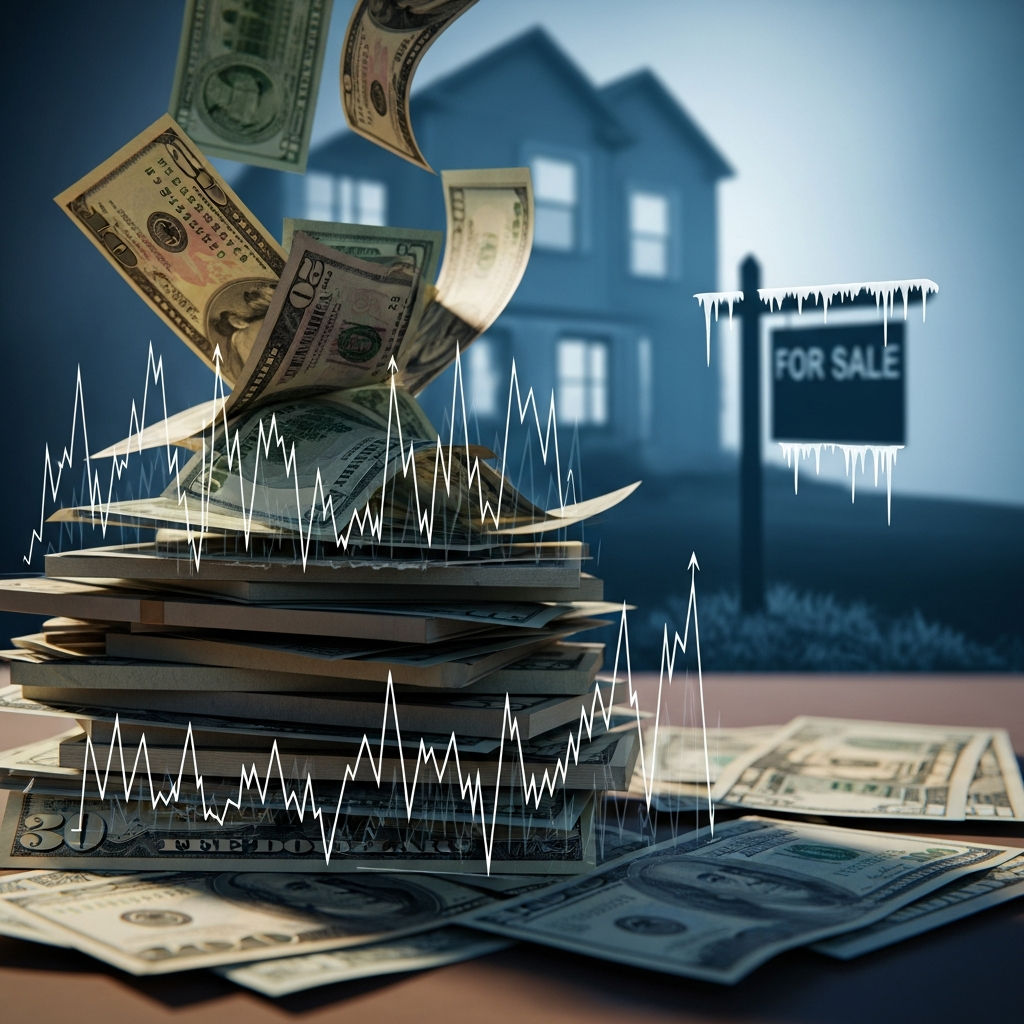
Mortgage Rate Volatility: The Chilling Effect on Housing Market Transactions
The housing market has always been sensitive to economic shifts, but few factors exert as immediate and profound an influence as mortgage rates. In recent years, we’ve witnessed periods of unprecedented mortgage rate volatility – rapid and unpredictable swings in the cost of borrowing. This instability doesn’t just make headlines; it creates a tangible “chilling effect” that slows down the entire housing market, leaving potential buyers and sellers in a state of uncertainty and often, paralysis. Understanding this dynamic is crucial for anyone looking to navigate the current real estate landscape.
Understanding Mortgage Rate Volatility
Mortgage rate volatility refers to the speed and magnitude of changes in interest rates offered by lenders for home loans. Unlike a steady climb or decline, volatility implies sharp, often daily, fluctuations. Several global and domestic economic factors contribute to this phenomenon:
- Inflation: When inflation is high or unpredictable, bond markets (which mortgage rates track) react nervously, leading to rate swings.
- Federal Reserve Policy: The Fed’s actions regarding the federal funds rate and quantitative tightening/easing directly influence the broader interest rate environment.
- Economic Data: Jobs reports, GDP growth, and consumer confidence indices can cause rates to jump or fall based on market interpretations.
- Geopolitical Events: International conflicts or political instability can drive investors towards safer assets, impacting bond yields and, consequently, mortgage rates.
For a prospective homeowner, these rapid shifts can mean the difference between qualifying for a dream home and being priced out overnight, creating a sense of urgency mixed with apprehension.
The Direct Impact on Home Buyers
Affordability Crisis and Reduced Purchasing Power
The most immediate and severe consequence of rising mortgage rates is the hit to affordability. A higher interest rate translates directly to a larger monthly mortgage payment for the same loan amount. When rates fluctuate wildly, it becomes incredibly difficult for buyers to budget and plan. A rate hike of even half a percentage point can add hundreds of dollars to a monthly payment, dramatically reducing how much home a buyer can afford or qualify for.
For many, particularly first-time homebuyers already stretched thin, this makes the path to homeownership seem like an ever-moving target. What was affordable last week might be out of reach this week, leading to frustration and withdrawal from the market.
Uncertainty and Buyer Paralysis
Volatility breeds uncertainty, and uncertainty often leads to inaction. Buyers become hesitant to commit to a purchase when they fear that interest rates might drop soon after they lock in a higher rate, or conversely, that rates might climb further if they wait. This “wait-and-see” approach translates into fewer offers, longer decision-making processes, and an overall slowdown in demand.
Even those pre-approved might find their terms changing during the home search process, forcing them to re-evaluate their financial capacity repeatedly. The emotional toll of this unpredictability can be significant, pushing many to delay their homebuying plans indefinitely.
The Direct Impact on Home Sellers
Shrinking Buyer Pool and Price Adjustments
With fewer qualified and confident buyers in the market, sellers face a significant challenge. Properties may sit on the market longer, and the days of multiple, over-asking-price offers dwindle. Sellers are often forced to adjust their expectations and lower their asking prices to attract the reduced pool of potential buyers. This can be a bitter pill to swallow, especially for those who purchased during previous boom periods and are accustomed to rapid appreciation.
The slowdown in buyer activity due to rate volatility fundamentally shifts market power, moving it away from sellers and towards buyers, who now have more leverage to negotiate.
The “Lock-in” Effect: Reduced Inventory
One of the less obvious, yet equally impactful, consequences of mortgage rate volatility is the “lock-in” effect. Many existing homeowners refinanced or purchased homes when interest rates were historically low. Facing significantly higher rates today, these potential sellers are reluctant to give up their advantageous low-rate mortgages to take on a new, much higher rate on a new property.
This phenomenon leads to a shortage of available inventory, as fewer existing homeowners put their houses on the market. While buyer demand softens due to affordability concerns, the lack of new listings keeps inventory stubbornly low, preventing a significant drop in home prices in some areas despite reduced activity.
The Chilling Effect on Housing Market Transactions
When buyers are hesitant and sellers are reluctant, the entire housing market experiences a profound slowdown in transactions. This chilling effect manifests in several key ways:
- Declining Sales Volume: Fewer homes change hands. This is a direct measure of the market’s activity slowing down.
- Increased Time on Market: Homes take longer to sell as the pool of active buyers shrinks and price negotiations become more common.
- More Deals Falling Through: Rapid rate changes during the escrow period can cause buyers to lose financing eligibility or reassess affordability, leading to a higher rate of contract cancellations.
- Wider Bid-Ask Spreads: The gap between what buyers are willing to pay and what sellers are willing to accept widens, making it harder to agree on a price.
This overall deceleration impacts not just individual buyers and sellers, but the broader economy, affecting real estate agents, lenders, appraisers, title companies, and even industries like construction and home improvement.
Navigating Volatility: Strategies for Buyers and Sellers
For Buyers
- Get Pre-Approved and Understand Rate Locks: Work with a lender to understand your financial capacity and discuss options for locking in an interest rate. Some lenders offer “float-down” options if rates improve before closing.
- Focus on Long-Term Goals: While short-term rate swings are frustrating, remember that homeownership is often a long-term investment. Consider if a slightly higher rate still aligns with your financial goals over decades.
- Explore Adjustable-Rate Mortgages (ARMs): While riskier, ARMs can offer lower initial rates. Understand the terms, potential payment increases, and whether it aligns with your expected tenure in the home.
- Budget for Contingencies: Assume some flexibility in your budget to absorb minor rate increases or unexpected costs.
For Sellers
- Price Realistically from the Start: In a volatile market with fewer buyers, overpricing can lead to extended market times and eventual price reductions.
- Focus on Condition and Presentation: A well-maintained, beautifully staged home stands out and justifies its price in a competitive environment.
- Consider Incentives: To entice buyers, consider offering closing cost credits, home warranty coverage, or even a temporary rate buydown to lower the buyer’s initial monthly payments.
- Be Prepared for Negotiation: Expect buyers to come in with lower offers and be prepared to negotiate on price and terms.
The Outlook and Conclusion
Mortgage rate volatility is likely to remain a significant factor in the housing market as central banks continue to grapple with inflation and global economic uncertainties. This environment demands adaptability, patience, and informed decision-making from all participants.
The chilling effect on housing market transactions is a clear consequence of this instability, impacting everything from home affordability to seller willingness. By understanding the forces at play and adopting strategic approaches, both buyers and sellers can better navigate these turbulent waters. While the market may not feel as buoyant as it once did, opportunities still exist for those who are well-prepared and realistic about the current economic climate.
“`
Baca Juga: Understanding Real Estate: Your Gateway to Property and Prosperity