

U.S. Consumer Sentiment Falls to Record Low on Inflation
United States consumer sentiment fell in April from a month earlier to a record low, reflecting worries around the economic fallout from the Iran war. The University of Michigan’s final April sentiment index dropped to 49.8 this month from 53.3 in March.
Consumers Expect Prices to Rise
Consumers expect prices to rise at an annual rate of 4.7 per cent over the next year, up from 3.8 per cent in March, the data released on Friday showed. That was the biggest one-month increase since President Donald Trump announced sweeping tariffs last year. They saw costs rising at an annual rate of 3.5 per cent over the next five to 10 years, the highest since October.
Read Also: Breaking News, Top Stories & Headlines | Financial Post
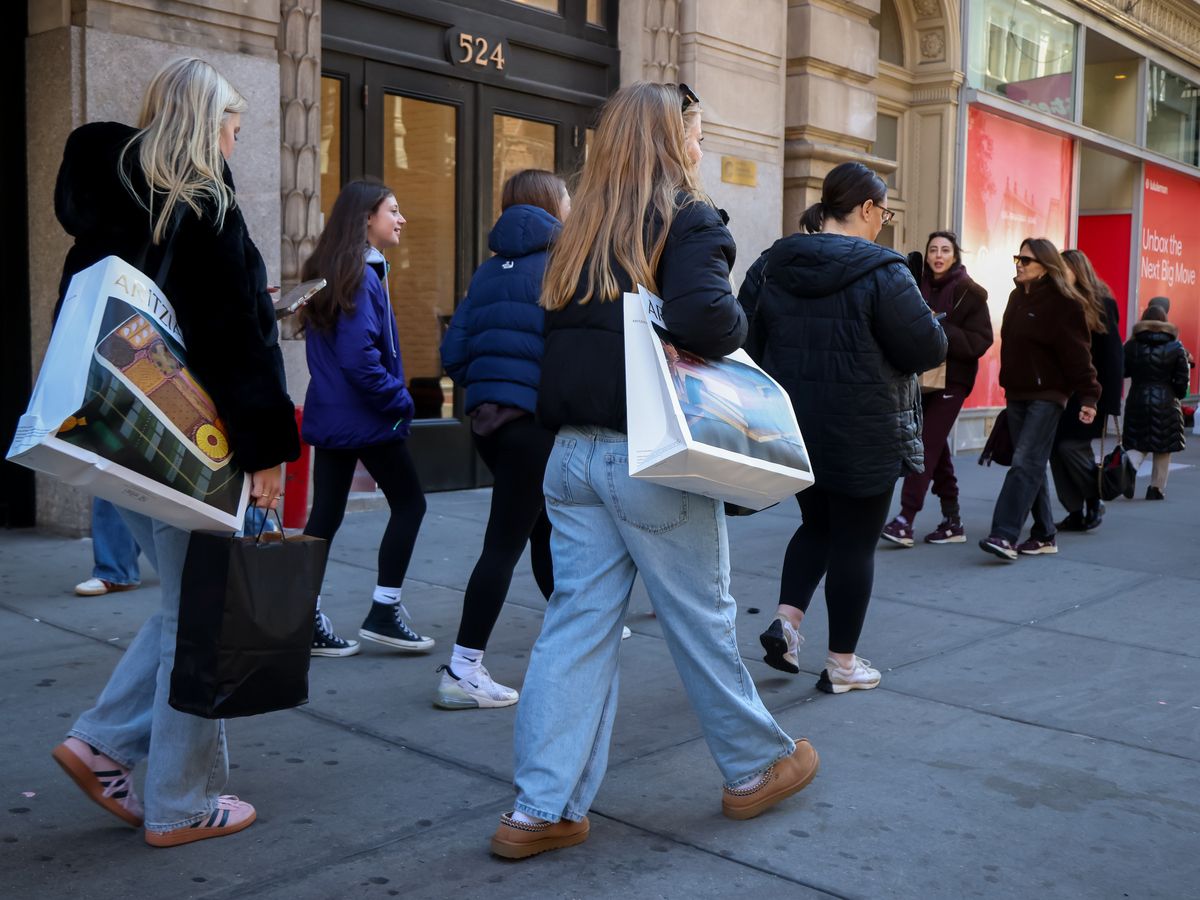
Sentiment has tumbled in the wake of the Iran war, which has driven up fuel costs for inflation-weary Americans. So far, though, retail sales data out earlier this week indicated consumers continue to spend on a broad range of merchandise. While the U.S. and Iran have agreed to a temporary ceasefire, the absence of a permanent deal to end the war is keeping uncertainty elevated for consumers and weighing on the outlook.
Impact of the Iran Conflict
“The Iran conflict appears to influence consumer views primarily through shocks to gasoline and potentially other prices,” Joanne Hsu, director of the survey, said in a statement. “In contrast, military and diplomatic developments that do not lift supply constraints or lower energy prices are unlikely to buoy consumers.”
Analysts have warned that gas prices, currently around US$4 a gallon, could remain elevated for months even if a deal is reached. That could continue to weigh on sentiment. Americans are enjoying bigger tax refunds, which alongside signs of front-loading of purchases, helps explain at least some of the improvement in retail activity.
Expectations for Gas Prices
Consumers expect gas prices to climb nearly 50 cents in the coming year, though expectations differed by political affiliation. Overall, nearly two-thirds of respondents expect fuel costs to be higher a year from now, the largest share since 2022.
The current conditions gauge declined in April to a four-month low, while the expectations index dropped to the lowest in nearly a year. Consumers’ perceptions of their expected financial situation was the weakest since May of last year. The survey period includes responses from March 24 to April 20.
Risk of Softening Spending
Spending risks softening in the coming months as higher energy costs add to pressure on household budgets. The decline in consumer sentiment could have significant implications for the U.S. economy, which is heavily reliant on consumer spending.
While the U.S. economy has shown resilience in the face of global uncertainty, the ongoing Iran conflict and rising inflation could pose significant challenges in the months ahead. As consumers become increasingly cautious, businesses and policymakers will be closely watching the sentiment index for signs of a turnaround.
- The University of Michigan’s final April sentiment index dropped to 49.8 this month from 53.3 in March.
- Consumers expect prices to rise at an annual rate of 4.7 per cent over the next year.
- Gas prices could remain elevated for months even if a deal is reached to end the Iran war.
- Consumers expect gas prices to climb nearly 50 cents in the coming year.
- Nearly two-thirds of respondents expect fuel costs to be higher a year from now.
The decline in consumer sentiment is a cause for concern for the U.S. economy, and it will be important to monitor the situation closely in the coming months. With the Iran conflict and rising inflation weighing on consumers, it remains to be seen whether the economy can continue to grow at a steady pace.