

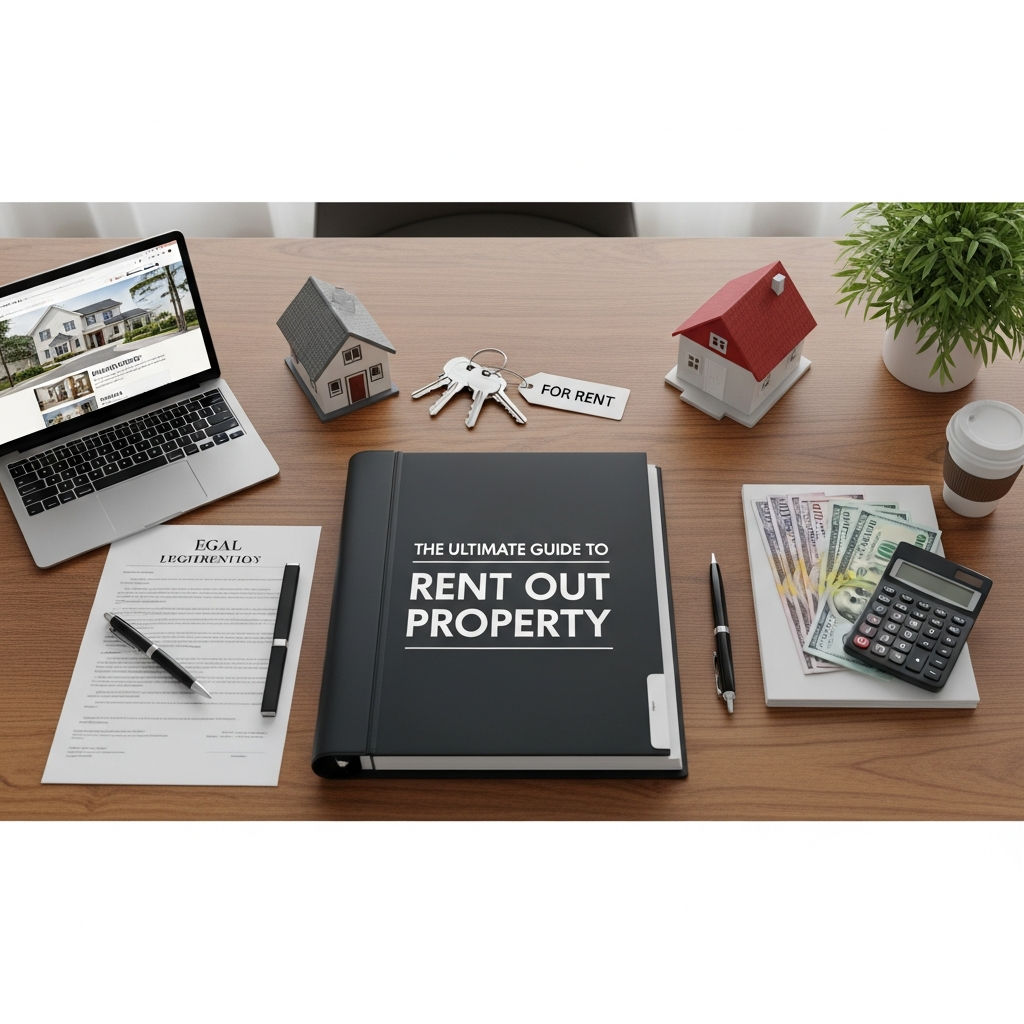
The Ultimate Guide to Rent Out Property: Maximize Your Rental Income & Minimize Stress
Deciding to rent out property can be a highly rewarding financial venture, offering a steady stream of passive income and long-term asset appreciation. However, it’s also a significant responsibility that requires careful planning, legal compliance, and ongoing management. Whether you’re a first-time landlord or looking to expand your portfolio, this ultimate guide will walk you through every essential step to successfully rent out your property, from preparation to ongoing tenant relations.
Is Renting Out Your Property Right for You?
Before diving in, it’s crucial to assess if becoming a landlord aligns with your financial goals and personal capacity. It’s more than just collecting rent; it involves time, effort, and sometimes, unexpected challenges.
- Understanding the Pros and Cons:
- Pros:
- Consistent monthly income
- Property appreciation over time
- Tax deductions (mortgage interest, property taxes, depreciation, repairs)
- Diversification of investment portfolio
- Hedge against inflation
- Cons:
- Time commitment for management and maintenance
- Potential for difficult tenants or property damage
- Vacancies can lead to lost income
- Legal complexities (evictions, tenant rights)
- Initial costs for repairs and upgrades
- Pros:
- Assessing Your Readiness: Do you have the time and temperament to handle tenant issues, coordinate repairs, and manage finances? Or would you prefer to delegate these tasks to a professional property management company? Understanding your capacity will help you decide on the right approach.
Essential Preparations Before You Rent
The condition of your property is paramount to attracting quality tenants and commanding a fair market rent. Thorough preparation will save you headaches down the line.
- Property Inspection and Repairs:
- Conduct a comprehensive inspection of your property. Look for any structural issues, plumbing leaks, electrical problems, or HVAC system concerns.
- Address all necessary repairs. Ensure everything is in good working order, from appliances to light fixtures.
- Get professional pest control if needed.
Enhancing Curb Appeal and Interiors: First impressions matter. A well-maintained and aesthetically pleasing property will attract more prospective tenants. Consider fresh paint, professional cleaning, and landscaping upkeep. Neutral colors often appeal to a wider audience.
- Legal Compliance and Safety:
- Ensure your property meets all local building codes and safety regulations.
- Install smoke detectors and carbon monoxide detectors in appropriate locations.
- Check for lead-based paint (in older homes) and disclose as required by law.
- Insurance Matters: Your standard homeowner’s insurance policy will likely not cover a rental property. You’ll need landlord insurance (also known as rental property insurance) to protect against property damage, liability, and loss of rental income due to covered perils. Encourage tenants to get renter’s insurance.
Setting the Right Rent Price
Pricing your rental property correctly is critical. Too high, and it will sit vacant; too low, and you’re leaving money on the table.
- Market Research and Comparables:
- Research similar rental properties in your area. Look at properties with comparable size, number of bedrooms/bathrooms, amenities, and condition.
- Use online rental platforms (Zillow, Apartments.com, Realtor.com) to see what similar properties are renting for.
- Consider consulting a local real estate agent or property manager for their insights.
- Calculating Your Rental Yield: Understand your potential return on investment. Rental yield (annual rental income / property value) helps gauge the profitability of your investment. Factor in all expenses, including mortgage, property taxes, insurance, maintenance, and potential vacancies.
Marketing Your Rental Property Effectively
Once your property is ready and priced, it’s time to find the perfect tenant.
- Crafting an Irresistible Listing:
- Write a detailed and engaging description highlighting your property’s best features, local amenities, and proximity to transportation or schools.
- Be honest and accurate in your description.
- Photography and Virtual Tours: High-quality photos are non-negotiable. Consider hiring a professional photographer. Virtual tours or video walkthroughs can significantly increase interest, especially for out-of-town applicants.
- Choosing the Right Platforms:
- Utilize popular online rental listing sites (e.g., Zillow, Trulia, HotPads, Craigslist).
- Consider local real estate agencies or community boards.
- Social media can also be an effective tool.
The Art of Tenant Screening
Finding a reliable, responsible tenant is arguably the most crucial step. Proper screening can prevent costly evictions and property damage.
Application Process: Develop a comprehensive rental application that gathers essential information such as employment history, previous addresses, and references.
- Background and Credit Checks:
- Run credit checks to assess financial responsibility. Look for a good credit score and a history of on-time payments.
- Conduct background checks for criminal history and eviction records. Use reputable screening services.
Reference Checks: Contact previous landlords to inquire about payment history, property care, and general tenancy behavior. Verify employment and income to ensure the tenant can afford the rent (typically, income should be 3x the monthly rent).
Fair Housing Laws: Be aware of and comply with all federal, state, and local fair housing laws. You cannot discriminate based on race, color, religion, sex, disability, familial status, or national origin.
Drafting a Solid Lease Agreement
A well-written, legally sound lease agreement protects both the landlord and the tenant. It outlines the rights and responsibilities of all parties.
- Key Components of a Lease:
- Names of all tenants and landlord
- Property address
- Lease term (e.g., 12 months)
- Monthly rent amount and due date
- Security deposit amount and conditions for return
- Pet policy
- Maintenance responsibilities (who is responsible for what)
- Rules regarding property alterations
- Late fee policies
- Eviction clauses
Security Deposits and Rent Payments: Understand local laws regarding security deposit limits, how they must be held, and the timeline for their return. Clearly define acceptable methods for rent payment.
Pet Policies and Maintenance Responsibilities: Clearly state your policy on pets, including any pet fees or deposits. Detail who is responsible for routine maintenance (e.g., changing light bulbs) versus major repairs.
Managing Your Property: Ongoing Responsibilities
Your job doesn’t end once the lease is signed and the tenant moves in. Ongoing management is key to a successful rental property.
Rent Collection and Financial Management: Establish a clear, consistent system for collecting rent. Maintain accurate records of all income and expenses for tax purposes.
- Property Maintenance and Repairs:
- Be responsive to repair requests. Promptly addressing issues keeps tenants happy and prevents minor problems from escalating.
- Schedule regular preventative maintenance (e.g., HVAC servicing, gutter cleaning).
Handling Tenant Inquiries and Issues: Maintain open communication with your tenants. Address concerns professionally and in a timely manner. Document all interactions.
Periodic Inspections: Conduct routine (but legally permissible) inspections to ensure the property is being well-maintained and to identify any potential issues early. Always provide proper notice before entering the property.
What If Things Go Wrong? (Eviction & Legalities)
Despite best efforts, issues can arise. Knowing how to handle them legally is crucial.
Understanding Eviction Laws: Eviction is a legal process that varies significantly by state and locality. Only pursue eviction as a last resort and ensure you follow all legal procedures precisely to avoid costly mistakes.
Seeking Legal Counsel: If you face complex tenant disputes, property damage beyond the security deposit, or the need for eviction, consult with a landlord-tenant attorney. They can provide invaluable guidance and ensure legal compliance.
DIY vs. Professional Property Management
Deciding whether to manage the property yourself or hire a professional is a significant choice.
- Weighing Your Options:
- DIY Management: Offers full control and saves management fees, but requires significant time, effort, and knowledge of landlord-tenant laws. Best for landlords with few properties, time availability, and a desire for hands-on involvement.
- Professional Property Management: Handles all aspects (marketing, screening, rent collection, maintenance, legal compliance) for a fee (typically 8-12% of monthly rent). Ideal for landlords who are busy, live far from the property, or prefer a hands-off approach. They can often access better contractors and have extensive legal knowledge.
Renting out property can be a lucrative venture, but success hinges on diligent preparation, effective management, and a thorough understanding of your responsibilities. By following this ultimate guide, you can confidently navigate the complexities of property rental, attract ideal tenants, and build a profitable real estate portfolio. Happy landlording!