

“`html
Common Mistakes to Avoid When Selling Your Home
Selling a home is one of the most significant financial transactions many people undertake. It can be an exciting journey, paving the way for new opportunities and adventures. However, the process is also fraught with potential pitfalls that, if not carefully navigated, can lead to extended listing times, lower sale prices, and undue stress. Understanding and actively avoiding common mistakes is paramount to a successful and profitable home sale. Whether you’re a first-time seller or have experience in the real estate market, a fresh look at these missteps can save you time, money, and headaches.
Mistake #1: Setting the Wrong Price
Pricing your home correctly is arguably the most critical step in the selling process. An improperly priced home can deter buyers before they even set foot in the door.
Overpricing Your Home
It’s natural to want to get the highest possible price for your property, especially given sentimental value or desired future plans. However, overpricing is a common and costly mistake.
- Why it happens: Emotional attachment, focusing on desired profit rather than market value, or listening to anecdotal evidence from friends or neighbors.
- Consequences:
- Stale listing: Homes priced too high often sit on the market for extended periods, making buyers wonder what’s wrong with the property.
- Less exposure: Many buyers search within specific price ranges. Overpricing means your home might not appear in relevant searches.
- Eventually selling for less: After weeks or months, you’ll likely have to drop the price, often below what it would have sold for originally, as buyers perceive desperation.
- Buyer skepticism: Even after a price reduction, buyers may be wary, assuming there’s an underlying issue.
- How to avoid: Obtain a professional comparative market analysis (CMA) from a reputable real estate agent. This analysis evaluates recent sales of similar homes in your area, market trends, and property conditions to determine a realistic and competitive price.
Underpricing Your Home
While less common, underpricing your home is also a mistake that leaves money on the table.
- Why it happens: Desire for a quick sale, lack of market knowledge, or fear of the home not selling.
- Consequences: You miss out on potential profit that could be reinvested or used for your next home.
- How to avoid: Again, rely on a thorough CMA and the expertise of an agent who understands the local market nuances. Don’t rush into a low price without understanding your home’s true value.
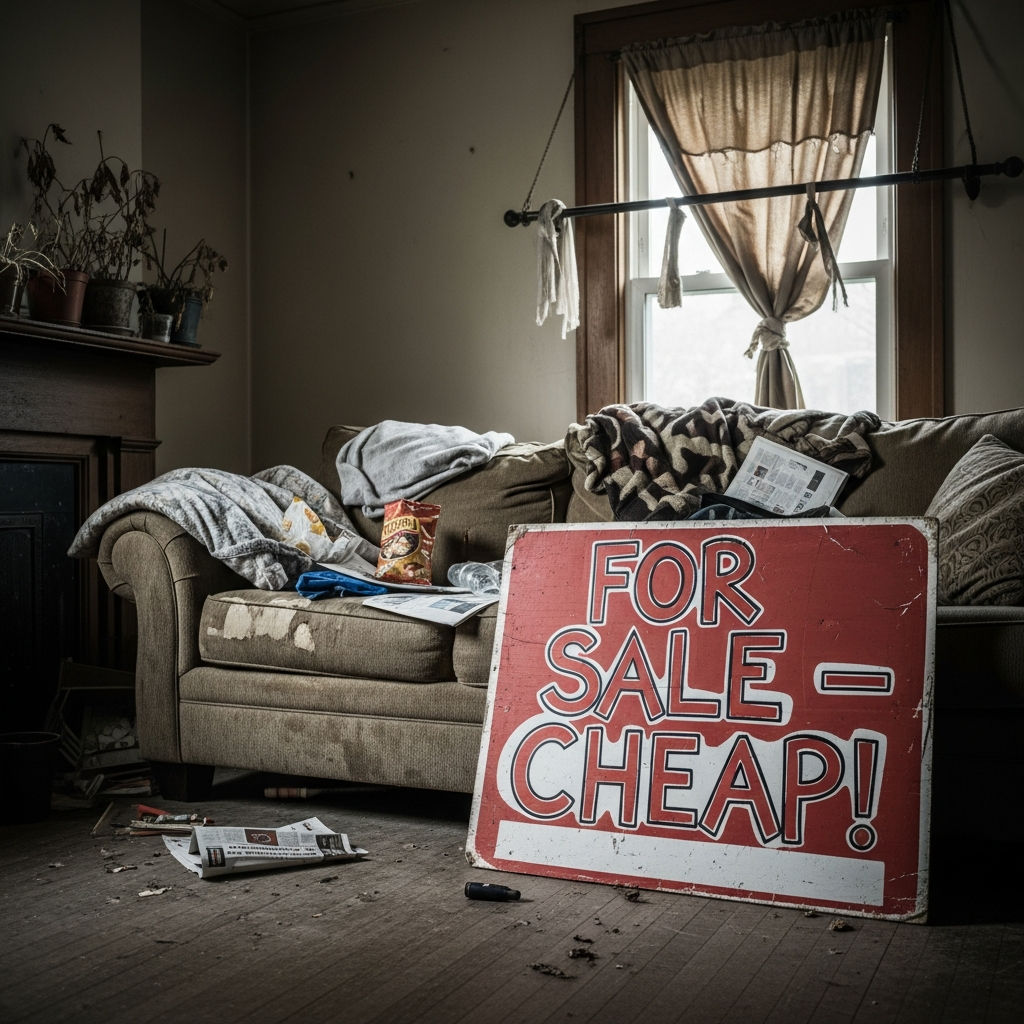
Mistake #2: Neglecting Home Preparation and Staging
Buyers are looking for a place they can envision themselves living in, not just your current residence. Presenting your home in its best light is crucial.
Skipping Essential Repairs and Maintenance
Ignoring minor repairs can send red flags to potential buyers, making them question the home’s overall condition and potentially leading to lower offers or deal breakdowns.
- Impact: Dripping faucets, peeling paint, broken light fixtures, or non-functioning appliances suggest a lack of care and can make a buyer wonder about larger, unseen issues.
- Cost-benefit: Small, inexpensive repairs often yield a significant return on investment by improving buyer perception and preventing nitpicking during inspections. Focus on areas like plumbing, electrical, HVAC, and curb appeal.
- How to avoid: Walk through your home with fresh eyes, or better yet, have your agent or a trusted friend point out areas needing attention. Address glaring issues before listing.
Ignoring Decluttering and Deep Cleaning
A cluttered, dirty home makes it difficult for buyers to see past your belongings and imagine their own.
- Importance:
- Creates space: Decluttering makes rooms appear larger and more open.
- Neutralizes: Removing personal items (family photos, unique décor) helps buyers visualize themselves in the space.
- Appeals to senses: A clean, fresh-smelling home creates a positive first impression.
- How to avoid: Pack away personal items, excess furniture, and anything that isn’t essential. Deep clean every nook and cranny, including windows, baseboards, and appliances. Consider professional cleaning services.
Overlooking the Power of Staging
Staging is the art of preparing a home for sale to appeal to the widest range of potential buyers.
- Why it matters: Staged homes often sell faster and for higher prices. It helps buyers connect emotionally with the space, highlighting its best features and demonstrating its potential.
- DIY vs. Professional: You can often stage your home effectively with minor adjustments (furniture rearrangement, fresh paint, updated linens). For vacant homes or those needing a complete overhaul, professional stagers can be invaluable.
- Focus: Prioritize key areas like the living room, master bedroom, and kitchen.
Mistake #3: Poor Marketing and Photography
In today’s digital age, your home’s online presence is its first and most crucial showing. Many buyers will decide whether to view a property based solely on its online listing.
Subpar Photography
Bad photos can kill a listing before it even gets off the ground.
- Impact: Dark, blurry, poorly composed, or cellphone photos make your home look unappealing and unprofessional, suggesting a lack of care.
- Importance: Professional photography captures your home’s best angles, uses proper lighting, and showcases its features effectively. It’s an investment that pays dividends.
- How to avoid: Always hire a professional real estate photographer. They know how to make rooms look bright, spacious, and inviting.
Inadequate Online Presence
Just having a few photos isn’t enough. Your home needs to be easily found and compelling online.

- Where buyers look: MLS, Zillow, Realtor.com, social media, agent websites.
- Importance: A comprehensive listing with detailed descriptions, professional photos, virtual tours, and even drone footage for larger properties attracts more attention.
- How to avoid: Ensure your agent utilizes all available online platforms and creates a compelling narrative for your home.
Limited Showing Availability
Making it difficult for potential buyers to view your home can drastically reduce interest.
- Impact: Buyers often have limited windows to view homes. If your home isn’t accessible, they’ll simply move on to the next one.
- Flexibility: Be prepared for showings, even on short notice. Consider temporarily vacating your home during peak showing times or for open houses.
- How to avoid: Work with your agent to establish a clear showing plan, but remain as flexible as possible.
Mistake #4: Trying to Sell Without Professional Help (FSBO)
While saving on commission might sound appealing, selling your home “For Sale By Owner” (FSBO) often comes with significant drawbacks and risks.
Underestimating the Complexity
Selling a home involves far more than just putting up a “For Sale” sign.
- Tasks involved: Pricing, marketing, scheduling showings, vetting buyers, negotiating offers, handling inspections, navigating disclosures, managing appraisals, and dealing with complex legal paperwork.
- Time commitment: These tasks require a substantial amount of time and expertise that many sellers don’t have.
Lack of Exposure and Negotiation Skills
FSBO properties typically have limited reach and can struggle in negotiations.
- Limited reach: Without access to the Multiple Listing Service (MLS), your home won’t be seen by the vast majority of agents and their buyers.
- Emotional involvement: It’s hard to be objective when negotiating for your own home, potentially leading to poor decisions or strained interactions.
- Less profit: Studies often show that FSBO homes sell for less than agent-assisted sales, often negating any commission savings.
Potential Legal and Financial Risks
Real estate transactions are legally binding and complex.
- Disclosure requirements: Failure to properly disclose known defects can lead to costly lawsuits down the road.
- Contract errors: Mistakes in contracts can lead to delays, financial penalties, or even void the sale.
- How to avoid: Partner with a reputable, experienced real estate agent. Their expertise in pricing, marketing, negotiation, and legal compliance is invaluable.
Mistake #5: Being Emotionally Involved and Unrealistic
Your home holds memories and sentimental value, but when it’s on the market, it becomes a product. Separating emotion from business is crucial.
Taking Feedback Personally
Buyers will offer opinions, and not all of them will be flattering. “Your kitchen is dated,” or “The yard needs too much work” can sting.
- How to avoid: View feedback as constructive criticism that can help you understand market perception and make necessary adjustments. Your agent can help filter and interpret feedback objectively.
Unrealistic Expectations About Offers and Timelines
Every seller hopes for multiple full-price offers and a quick, smooth closing. While possible, it’s not always the reality.
- Market fluctuations: The market can change rapidly. What was true a few months ago might not be today.
- Lowball offers: Be prepared for offers below asking price. Your agent will help you counter appropriately.
- Patience: Some homes take longer to sell. Avoid making hasty decisions due to impatience.
- How to avoid: Listen to your agent, who has a pulse on the local market. Be patient, flexible, and open to negotiation.
Conclusion
Selling your home can be a rewarding experience when approached strategically. By understanding and actively avoiding these common mistakes – from improper pricing and neglecting preparations to inadequate marketing and emotional decision-making – you significantly increase your chances of a smooth, successful, and profitable sale. Remember, the journey to sell home effectively is often best navigated with the guidance of an experienced real estate professional who can provide invaluable insights and support every step of the way.
“`