

“`html
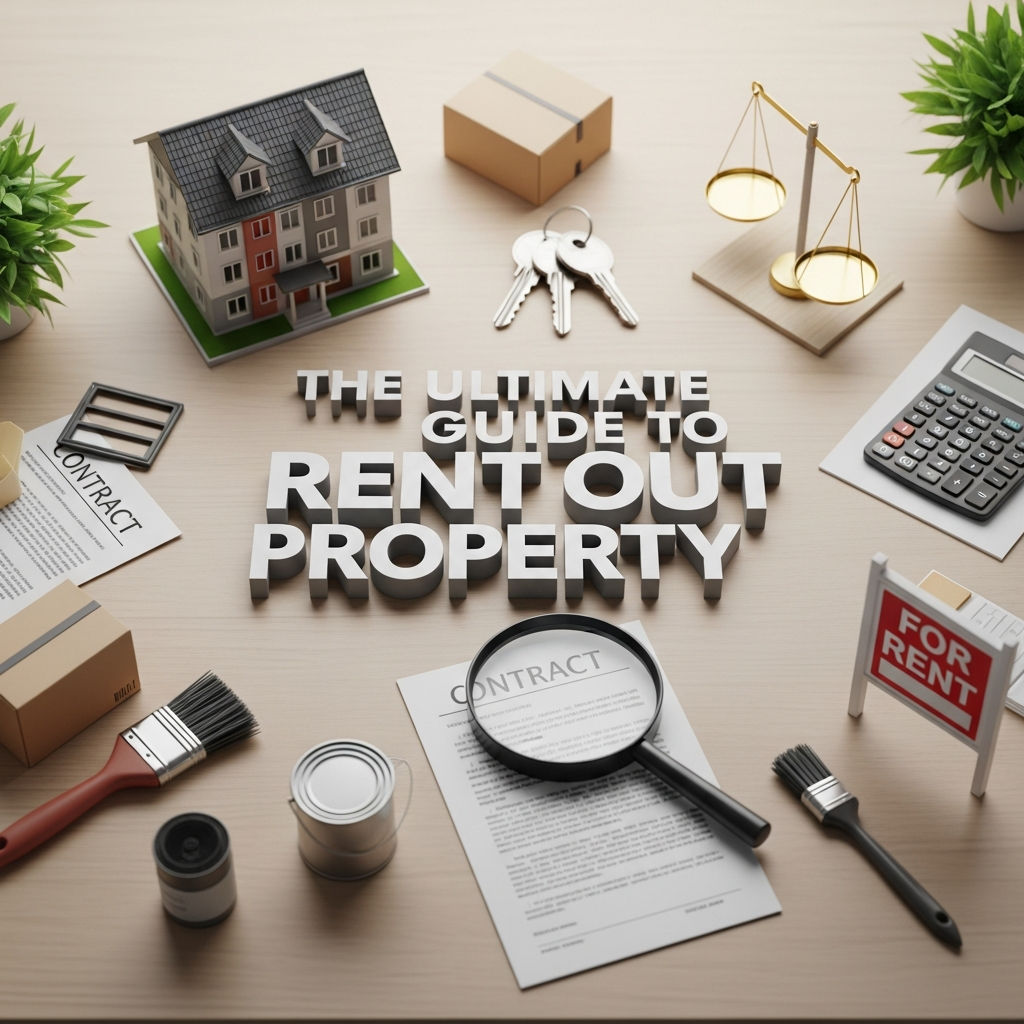
The Ultimate Guide to Rent Out Property Successfully
Deciding to rent out property can be an incredibly rewarding venture, offering a steady stream of passive income and a valuable asset for your financial portfolio. However, the path from property owner to successful landlord involves navigating numerous steps, legalities, and practical considerations. This ultimate guide is designed to equip you with the knowledge and strategies needed to confidently and profitably rent out your property, from initial preparation to ongoing management.
Whether you’re a first-time landlord or looking to refine your current process, understanding the intricacies of the rental property market is key. Let’s dive into making your rental journey a success.
Phase 1: Preparing Your Property for the Rental Market
Before you even think about finding tenants, your property needs to be rent-ready. This phase is crucial for attracting quality tenants and maximizing your rental income.
Conducting a Rental Market Analysis and Setting Rent
- Research Comparable Properties: Look at similar properties for rent in your area. Websites like Zillow, Trulia, and local real estate listings can provide valuable insights into market rates for properties with similar size, amenities, and location.
- Assess Your Property’s Value: Factor in your property’s unique features, upgrades, and condition. Is it newly renovated? Does it offer unique amenities like a large yard or updated appliances?
- Understand the Local Market: Is it a tenant’s market or a landlord’s market? High demand might allow for a higher rent price, while low demand may require a more competitive price.
- Calculate Expenses: Don’t just think about income. Factor in mortgage, property taxes, insurance, potential repairs, and vacancy costs when determining a profitable rent price.
Making Necessary Repairs and Enhancements
First impressions matter. A well-maintained and aesthetically pleasing property will attract better tenants and command a higher rent.
- Essential Repairs: Fix any leaky faucets, broken light fixtures, cracked tiles, or faulty appliances. Ensure all systems (HVAC, plumbing, electrical) are in good working order.
- Deep Clean: A professional deep clean can make a huge difference. Ensure carpets are cleaned, windows are sparkling, and bathrooms/kitchens are spotless.
- Paint Refresh: A fresh coat of neutral-colored paint can instantly update a space and make it feel clean and inviting.
- Curb Appeal: Don’t forget the exterior. Tidy up the landscaping, power wash the siding, and ensure the entrance is welcoming.
- Safety Features: Install smoke detectors, carbon monoxide detectors, and ensure all locks are secure. Check local codes for specific requirements.
Legal & Financial Preparations for Landlords
As a landlord, you have legal obligations. Being prepared financially and legally from the outset is vital.
- Landlord Insurance: Your standard homeowner’s policy won’t cover rental activities. Invest in a specific landlord insurance policy to protect against property damage, liability, and loss of rental income.
- Understand Local Laws: Research federal, state, and local landlord-tenant laws. These cover everything from fair housing (discrimination), security deposit limits, eviction procedures, and habitability standards. Ignorance of the law is not an excuse.
- Licensing & Permits: Some municipalities require landlords to obtain a business license or specific permits to operate a rental property. Check with your local housing authority.
- Separate Finances: Open a separate bank account for your rental income and expenses to simplify accounting and tax preparation.
Phase 2: Marketing Your Property and Finding the Right Tenants
Once your property is ready, the next step is to effectively market it to attract a pool of qualified applicants. This is where diligent tenant screening comes into play.
High-Quality Property Advertising
Effective advertising showcases your property’s best features.
- Professional Photos: High-quality, well-lit photos are non-negotiable. Consider hiring a professional photographer. Include pictures of all key rooms and the exterior.
- Compelling Description: Write a detailed and engaging description highlighting key features, amenities, local attractions, and proximity to transportation or schools. Be honest and accurate.
- Virtual Tours: If possible, offer a 3D virtual tour or video walkthrough to allow prospective tenants to explore the property remotely.
Advertising Your Property
Reach a wide audience through various channels:
- Online Listing Platforms: Websites like Zillow, Apartments.com, Realtor.com, and Facebook Marketplace are essential.
- Local Real Estate Agents: Many agents offer tenant placement services.
- “For Rent” Signage: A physical sign outside the property can still attract local interest.
- Social Media: Share your listing on personal and local community groups.
Conducting Property Showings
Be prepared to show your property, either personally or through an agent. Ensure the property is clean and well-lit for every showing. Be ready to answer questions about the property, neighborhood, and lease terms.
The Critical Step: Tenant Screening
This is arguably the most important step to protect your investment. Thorough tenant screening minimizes the risk of late payments, property damage, and difficult tenants.
- Rental Application: Require every adult applicant to complete a comprehensive application, including personal information, employment history, and previous rental history.
- Credit Check: A credit report reveals financial responsibility, including payment history and outstanding debts. Look for a strong payment history and reasonable debt levels.
- Background Check: This can reveal criminal history, which is important for safety and protecting your property.
- Employment Verification: Confirm income and job stability with the applicant’s employer. A general rule is that income should be at least 3x the monthly rent.
- Rental History & References: Contact previous landlords to ask about payment history, property care, and whether the tenant followed lease terms. Be wary of applicants who refuse to provide landlord references or only offer friends/family.
- Interview: A brief interview can help you gauge their personality and ask any clarifying questions.
Phase 3: Legalities and the Lease Agreement
Once you’ve found suitable tenants, formalizing the agreement with a robust lease agreement is paramount.
Drafting a Comprehensive Lease Agreement
Your lease is the legal contract between you and your tenants. It should be clear, detailed, and legally compliant. Consider having an attorney review your lease.
- Parties & Property Details: Names of all tenants, landlord, and the property address.
- Term of Tenancy: Start and end dates (e.g., 12-month lease).
- Rent Amount & Payment Terms: Monthly rent, due date, accepted payment methods, and late fees.
- Security Deposit: Amount, how it will be held, and conditions for its return. Adhere strictly to state laws regarding security deposits.
- Utilities: Clearly state who is responsible for which utilities (water, electricity, gas, internet).
- Maintenance Responsibilities: Outline what the landlord is responsible for (e.g., major repairs) and what the tenant is responsible for (e.g., light bulb replacement, lawn care).
- Pet Policy: Explicitly state whether pets are allowed, any breed restrictions, pet fees, or pet deposits.
- Occupancy Limits: Number of occupants allowed.
- Rules & Regulations: Noise policies, use of common areas, smoking policy, parking rules.
- Default & Eviction: Outline procedures for lease violations and eviction, adhering to local laws.
Security Deposits and Move-In Procedures
- Collect Security Deposit: Ensure you follow all state and local laws regarding the maximum amount and how it must be held (e.g., in a separate interest-bearing account).
- Move-In Checklist: Conduct a thorough walk-through with the tenant before they move in. Document the property’s condition with a detailed checklist and photos/videos. Both parties should sign off on this, protecting both landlord and tenant.
Phase 4: Ongoing Property Management
Your responsibilities don’t end once the lease is signed. Effective ongoing management ensures a smooth tenancy and protects your investment.
Rent Collection
Establish a clear and convenient system for rent collection. Online payment portals are increasingly popular and can streamline the process while providing clear records.
Property Maintenance and Repairs
- Promptly Address Issues: Respond quickly to tenant requests for repairs. Timely maintenance keeps tenants happy and prevents small issues from becoming costly problems.
- Routine Inspections: Conduct periodic inspections (with proper notice, as per your lease and local law) to ensure the property is being cared for and identify any potential maintenance needs.
- Emergency Contacts: Provide tenants with emergency contact information for urgent repairs.
Tenant Relations and Communication
Maintain open, professional, and respectful communication with your tenants. Address concerns promptly and fairly. Good tenant relations can lead to longer tenancies and less turnover.
Handling Lease Renewals and Evictions
- Lease Renewals: Proactively contact tenants before their lease expires to discuss renewal options.
- Evictions: While undesirable, sometimes an eviction is necessary due to severe lease violations or non-payment of rent. Understand and strictly follow all legal procedures for eviction to avoid costly legal challenges.
Phase 5: When to Consider Professional Property Management
Managing a rental property can be time-consuming, especially if you have multiple properties, live far from your rental, or simply prefer to delegate the responsibilities.
- Benefits of a Property Manager: A good property management company can handle everything from advertising, tenant screening, rent collection, maintenance coordination, and even evictions. They can save you time, reduce stress, and potentially maximize your rental income by finding quality tenants faster.
- Cost vs. Benefit: Property managers typically charge a percentage of the monthly rent (e.g., 8-12%) plus potential fees for new tenant placement. Weigh these costs against the time and effort you save, and the potential for increased efficiency and reduced vacancies.
Conclusion
Renting out your property can be a highly lucrative endeavor, but it demands careful planning, diligent execution, and an understanding of your responsibilities as a landlord. By following this ultimate guide, you can confidently navigate the process from preparing your property and screening tenants to managing ongoing responsibilities and ensuring compliance with all legal requirements. With a strategic approach and a commitment to being a fair and responsive landlord, you’re well on your way to building a successful and profitable property rental business.
“`