

“`html
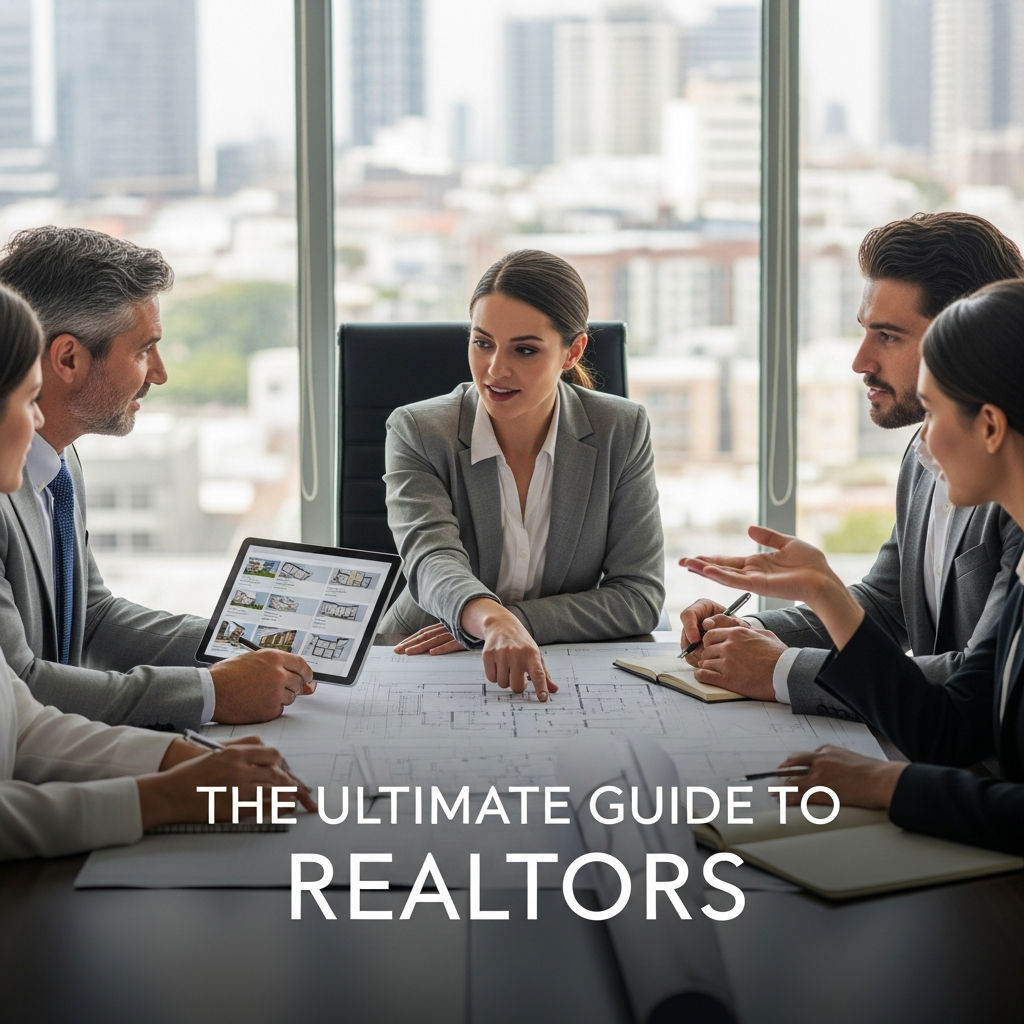
The Ultimate Guide to Realtors: Your Trusted Partner in Real Estate
Navigating the complex world of real estate can be daunting, whether you’re buying your first home, selling an investment property, or simply exploring market opportunities. This is where a professional “Realtor” steps in. More than just a real estate agent, a Realtor is a committed professional bound by a strict Code of Ethics, dedicated to guiding you through every step of your property journey. This ultimate guide will demystify the role of a Realtor, explore their invaluable contributions, and help you understand why they are an indispensable asset in the real estate landscape.
What Does a Realtor Actually Do? More Than Just Opening Doors
While often seen as individuals who simply unlock doors for showings, the scope of a Realtor’s responsibilities is vast and multifaceted. They are market analysts, negotiators, marketers, and legal facilitators, all rolled into one.
For Buyers: Finding Your Dream Home
- Understanding Needs & Wants: A Realtor begins by deeply understanding your preferences, budget, and lifestyle to narrow down suitable properties.
- Market Analysis & Property Search: They leverage their access to the Multiple Listing Service (MLS) and local market insights to find properties that match your criteria, often before they hit public sites.
- Scheduling & Facilitating Showings: Realtors coordinate property visits, providing crucial context and answering questions about each home.
- Negotiation Expertise: Once you find a property, your Realtor becomes your advocate, crafting competitive offers and negotiating fiercely on price, terms, and contingencies to secure the best deal.
- Contract Preparation & Review: They assist in drafting and reviewing all necessary paperwork, ensuring accuracy and protecting your interests.
- Guidance Through Closing: From inspections and appraisals to financing and final walkthroughs, your Realtor coordinates the complex closing process, ensuring a smooth transaction.
For Sellers: Maximizing Your Property’s Value
- Property Valuation (CMA): A Realtor conducts a Comparative Market Analysis (CMA) to accurately price your home, attracting serious buyers without leaving money on the table.
- Staging Advice & Photography: They offer recommendations on how to best prepare your home for sale, often arranging professional photography to create compelling listings.
- Marketing & Advertising: Leveraging a wide array of channels—from online MLS listings and social media to open houses and professional networks—your Realtor ensures maximum exposure for your property.
- Buyer Screening & Showings: They field inquiries, qualify potential buyers, and manage all showings, saving you time and ensuring security.
- Negotiation & Offer Management: Your Realtor expertly handles multiple offers, counters, and intricate negotiations to achieve the highest possible sale price and most favorable terms.
- Handling Contingencies & Closing: They manage inspections, appraisals, and any issues that arise, coordinating with attorneys, lenders, and other parties to ensure a timely and successful closing.
Ethical Standards and Professionalism
The key differentiator for a Realtor is their adherence to the National Association of Realtors (NAR) Code of Ethics. This strict code mandates honesty, fairness, and the highest level of professionalism, ensuring they act in the best interests of their clients at all times. This fiduciary duty means a Realtor is legally and ethically bound to prioritize your financial and contractual well-being.
Becoming a Realtor: Your Path to a Rewarding Career
For those aspiring to enter the real estate profession, understanding the distinction between a “real estate agent” and a “Realtor” is crucial.
Real Estate Agent vs. Realtor: The Key Distinction
- Real Estate Agent: Anyone who has obtained a state-issued license to sell real estate. They can facilitate transactions but are not necessarily members of NAR.
- Realtor: A licensed real estate agent (or broker, appraiser, etc.) who is also a dues-paying member of the National Association of Realtors (NAR), committing to its Code of Ethics.
The Steps to Becoming Licensed and Joining NAR:
- Pre-licensing Courses: Complete state-mandated real estate education hours.
- Pass State Exam: Successfully pass your state’s real estate licensing examination.
- Brokerage Sponsorship: Join a licensed real estate brokerage firm.
- Join NAR: Apply for membership with the National Association of Realtors, usually through your local or state board. This grants you the right to use the coveted “Realtor” designation.
Why Join NAR? The Benefits of Being a Realtor
Membership in NAR provides access to a wealth of resources, including professional development courses, networking opportunities, legal resources, data tools, and a powerful national advocacy group that protects private property rights.
Choosing the Right Realtor: Your Key to a Successful Transaction
The success of your real estate venture often hinges on selecting the right Realtor. This isn’t a decision to be taken lightly.
Qualities to Look For:
- Experience & Local Market Knowledge: An experienced Realtor with deep knowledge of your specific neighborhood will be invaluable.
- Communication Skills: Look for someone who is responsive, clear, and keeps you informed every step of the way.
- Negotiation Prowess: They should have a strong track record of securing favorable terms for their clients.
- Client Testimonials & Reviews: Check online reviews and ask for references to gauge their past performance and client satisfaction.
- Specializations: Some Realtors specialize in specific niches, like luxury homes, first-time buyers, or investment properties.
Questions to Ask Potential Realtors:
- “What is your experience in this specific market/neighborhood?”
- “How do you plan to communicate with me and how often?”
- “What is your strategy for marketing my home (if selling) or finding me a home (if buying)?”
- “Can you provide references from previous clients?”
- “How do you handle multiple offers or challenging negotiations?”
- “What are your commission fees and what services are included?”
Interviewing and Vetting
Don’t hesitate to interview several Realtors. Treat it like hiring for a crucial position. Assess their personality, professionalism, and how well their approach aligns with your goals and expectations.
The Benefits of Using a Realtor: Why Go Professional?
While it might be tempting to navigate real estate independently, the advantages of working with a Realtor far outweigh the perceived savings.
Market Expertise and Insights
Realtors have unparalleled access to real-time market data, trend analysis, and historical information. They can provide accurate pricing strategies, identify growth areas, and warn against potential pitfalls, helping you make informed decisions.
Negotiation Power
An objective third party with expert negotiation skills can secure better terms than you might achieve on your own. They can separate emotions from the transaction, focusing purely on your best financial interests.
Time and Stress Savings
From scheduling showings and open houses to managing mountains of paperwork and coordinating with various professionals (lenders, inspectors, appraisers, attorneys), a Realtor handles the heavy lifting, saving you significant time and reducing stress.
Legal and Ethical Protection
Real estate contracts are complex and legally binding. A Realtor’s expertise ensures that all disclosures are made, deadlines are met, and your contractual rights are protected, significantly reducing your legal risk.
Extensive Network
Realtors often have a robust network of trusted professionals, including lenders, home inspectors, contractors, and real estate attorneys. This network can be invaluable for smooth transactions and post-purchase needs.
Common Misconceptions About Realtors
- “They only care about commission.” While commission is how they earn a living, a good Realtor understands that long-term success comes from satisfied clients and referrals, aligning their interests with yours.
- “They just unlock doors.” As outlined, their role extends far beyond physical access, encompassing deep market knowledge, negotiation, and comprehensive transaction management.
- “You can save money by going DIY.” While you might avoid a commission fee, sellers who go “For Sale By Owner” (FSBO) often sell for less than homes sold with a Realtor, and buyers can miss out on critical protections or pay more due to inexperience.
Conclusion: Your Trusted Partner in Real Estate
In a world where real estate transactions involve significant financial and emotional investments, a Realtor stands as an indispensable asset. They bring expertise, ethical commitment, and a comprehensive suite of services that protect your interests, streamline the process, and ultimately lead to more successful outcomes. Whether you’re buying, selling, or investing, partnering with a professional Realtor isn’t just a choice—it’s a strategic decision that empowers you to achieve your real estate goals with confidence and peace of mind.
“`